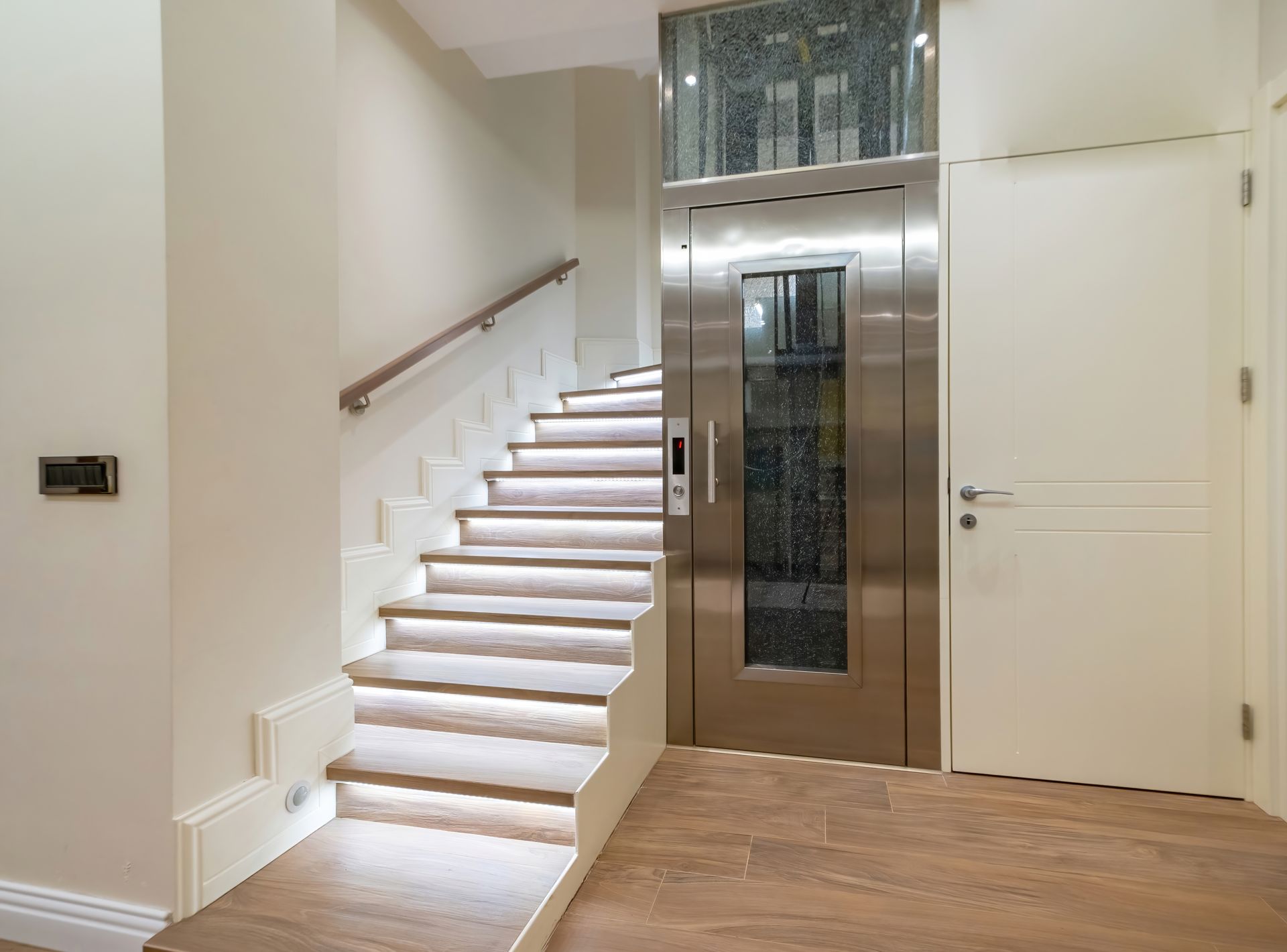
A home elevator changes how your household uses its space. Laundry stops being a two-trip chore, the upstairs bedrooms stay usable as knees and hips age, and a temporary injury no longer means sleeping on the couch. Redi Lifts helps Lake Charles homeowners choose and install home elevators that fit the house they already love, from compact shaftless models that tuck into a living room corner to full-size cabs built into new construction.
Book a Home Elevator Consultation With Redi Lifts in Lake Charles, LA.
Choosing the Right Home Elevator for Your Space
The best home elevator for your household depends on how much room you can dedicate, how many floors you need to reach, and who will be riding it. These are the home elevator styles Huntsville homeowners ask about most.
Shaftless Home Elevators
A shaftless home elevator travels through a floor opening between two levels without a traditional enclosed hoistway. It needs no pit and very little construction, which makes it one of the fastest and most affordable ways to add a home elevator to an existing two-story house.
Pneumatic Vacuum Home Elevators
A pneumatic home elevator rides inside a clear cylindrical tube, moved by air pressure rather than cables or fluid. Its small footprint and modern look appeal to homeowners who want a home elevator that doubles as a design feature.
Full-Size Enclosed Home Elevators
An enclosed home elevator uses a dedicated shaft and a larger cab that can carry several passengers, a wheelchair, or furniture. This is the preferred home elevator for new construction and for families planning long-term accessibility.
Compact Home Elevators for Tight Floor Plans
Compact home elevators combine a small cab with a slim drive system, letting older Huntsville homes with narrow hallways or modest closets accommodate a home elevator without a major remodel.
Home Elevators for Aging in Place
Many Huntsville families install a home elevator so they can stay in the house they've lived in for decades rather than moving to a single-story property. A home elevator keeps the primary bedroom, bathroom, and living areas connected no matter how mobility changes.
Planning for Changing Mobility
We recommend sizing a home elevator for future needs, not just current ones. A cab that fits a walker today should also fit a wheelchair later, and door placement should allow easy entry from either direction.
Supporting Caregivers
A home elevator with room for a caregiver beside the rider makes assisted trips between floors safer and far less stressful than navigating stairs together.
Comparing a Home Elevator to Moving
For many homeowners, the cost of a home elevator compares favorably to selling, moving, and buying a single-level home in today's North Alabama market, while letting them stay close to neighbors, church, and family.
Home Elevator Installation in New and Existing Huntsville Homes
Redi Lifts manages the full home elevator project, working with your builder or remodeler so the space, structure, and electrical service are ready before equipment arrives.
Home Elevators in New Construction
Adding a home elevator during framing is the simplest and most cost-effective approach. We provide hoistway dimensions, pit and overhead requirements, and electrical specifications early so your builder can plan around them.
Retrofitting a Home Elevator Into an Existing Home
Stacked closets, pantries, and garage corners are common retrofit locations. Shaftless and pneumatic home elevators often require the least structural change, while exterior shaft additions open up options for homes with no interior space to spare.
Permits and Inspections
Every home elevator must be permitted and inspected to meet state and local safety requirements. Redi Lifts handles the paperwork and coordinates inspection so your home elevator is approved for use.
Get a Home Elevator Quote for Your Huntsville Home From Redi Lifts
Home Elevator Safety and Everyday Features
A home elevator should feel as safe as the stairs it replaces, and in many cases safer. Each home elevator we install includes door interlocks, cab gate switches, emergency lighting, an emergency phone or alarm, and battery backup lowering so riders aren't stranded when storms knock out power across Madison County. Child safety controls such as keyed operation or code locks keep young children from operating the home elevator unsupervised.
Quiet, Smooth Operation
Modern home elevators use soft-start and soft-stop drives that minimize noise and jolting, which matters in a home where the elevator may run near bedrooms.
Custom Finishes
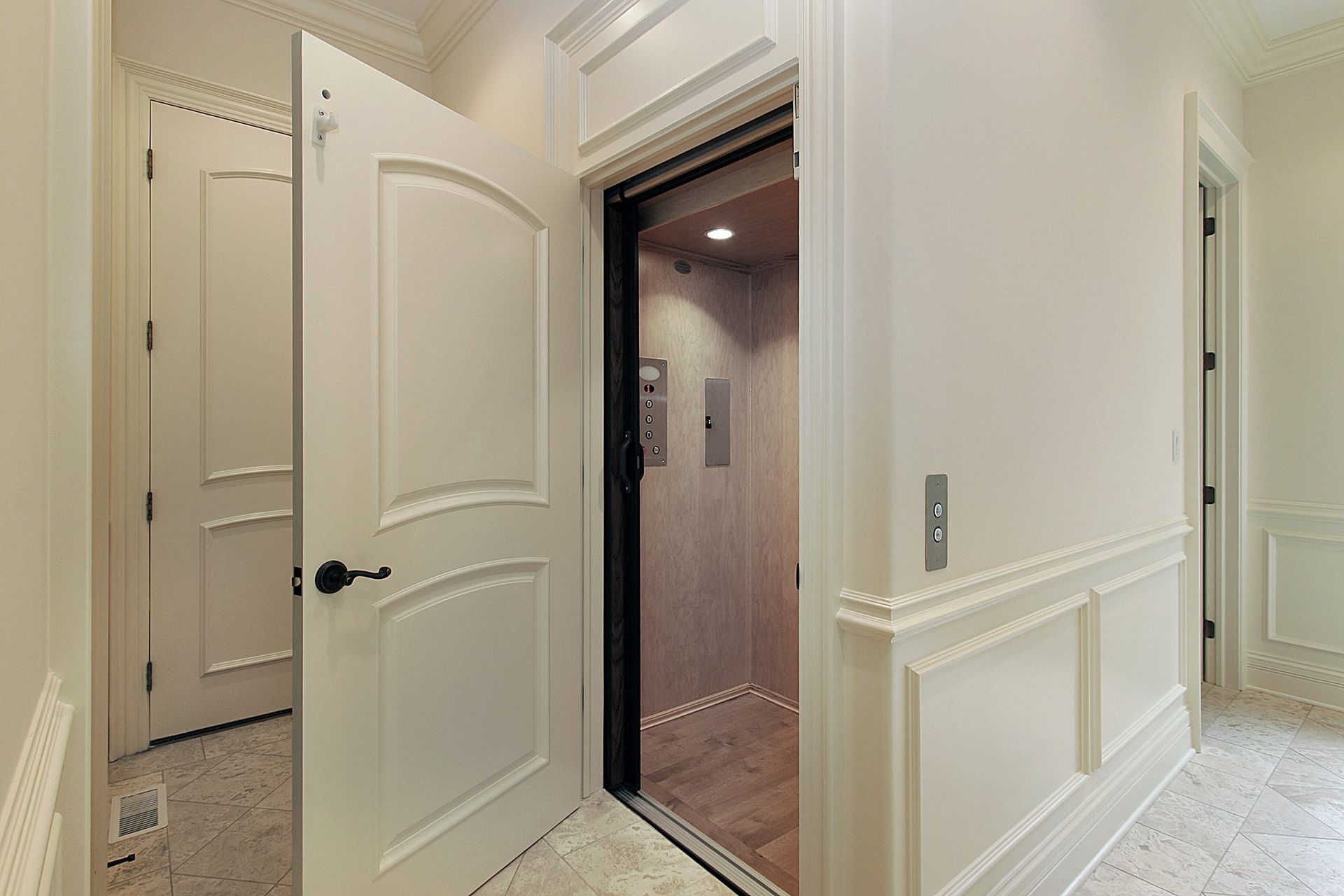
Wood panels, glass walls, LED lighting, and coordinated controls let your home elevator blend with your interior instead of looking like commercial equipment.
Home Elevator Service After Installation
A home elevator needs routine maintenance to stay reliable. Redi Lifts offers scheduled service that includes safety device testing, battery checks, door adjustments, and drive inspections, along with repairs for home elevators throughout Lake Charles, LA.
Call Redi Lifts to Schedule Home Elevator Service!
Home Elevator FAQs
How much does a home elevator cost in Lake Charles, LA?
A home elevator typically costs between $20,000 and $60,000 or more. Shaftless and compact models sit at the lower end, while enclosed home elevators with larger cabs and custom finishes cost more, especially in retrofit projects.
What is the smallest home elevator available?
Pneumatic vacuum home elevators are among the smallest, with some single-passenger models needing a footprint of roughly 30 to 35 inches in diameter.
Does a home elevator need a shaft?
Not always. Shaftless and pneumatic home elevators operate without a traditional enclosed shaft, while full-size home elevators require a hoistway.
Can a home elevator go from a basement to a second floor?
Yes. Many home elevators serve three or more stops, including basements, main floors, and upper levels, depending on the drive type selected.
How long does a home elevator last?
With regular maintenance, a home elevator commonly lasts 20 to 30 years, with certain components such as batteries replaced periodically.
Does a home elevator increase electricity bills?
A home elevator uses relatively little electricity because it runs only for short trips. Most households see a minimal change in monthly utility costs.
Can a home elevator fit a wheelchair?
Many enclosed home elevators fit a standard wheelchair, and some accommodate a caregiver as well. Smaller shaftless and pneumatic models may not, so cab size should be confirmed during planning.
Is a home elevator better than a stairlift?
A home elevator carries multiple people, wheelchairs, and items in an enclosed cab, while a stairlift carries one seated person. A stairlift costs less, but a home elevator offers more long-term flexibility.
How long does home elevator installation take?
Equipment installation usually takes a few days for shaftless models and one to two weeks for enclosed home elevators, not counting design, permitting, and construction time.
Will a home elevator work during a power outage?
Home elevators with battery backup lowering will move to a landing and allow riders to exit safely during an outage.
Can I add a home elevator to a two-story house without a major remodel?
Yes. Shaftless and pneumatic home elevators are designed for two-story homes and often require only a floor opening and electrical connection.